Rosemary Daly, DO, DABPM Quick Facts BPC-157 is commonly discussed in wellness-focused peptide therapy programs related to recovery and healing support
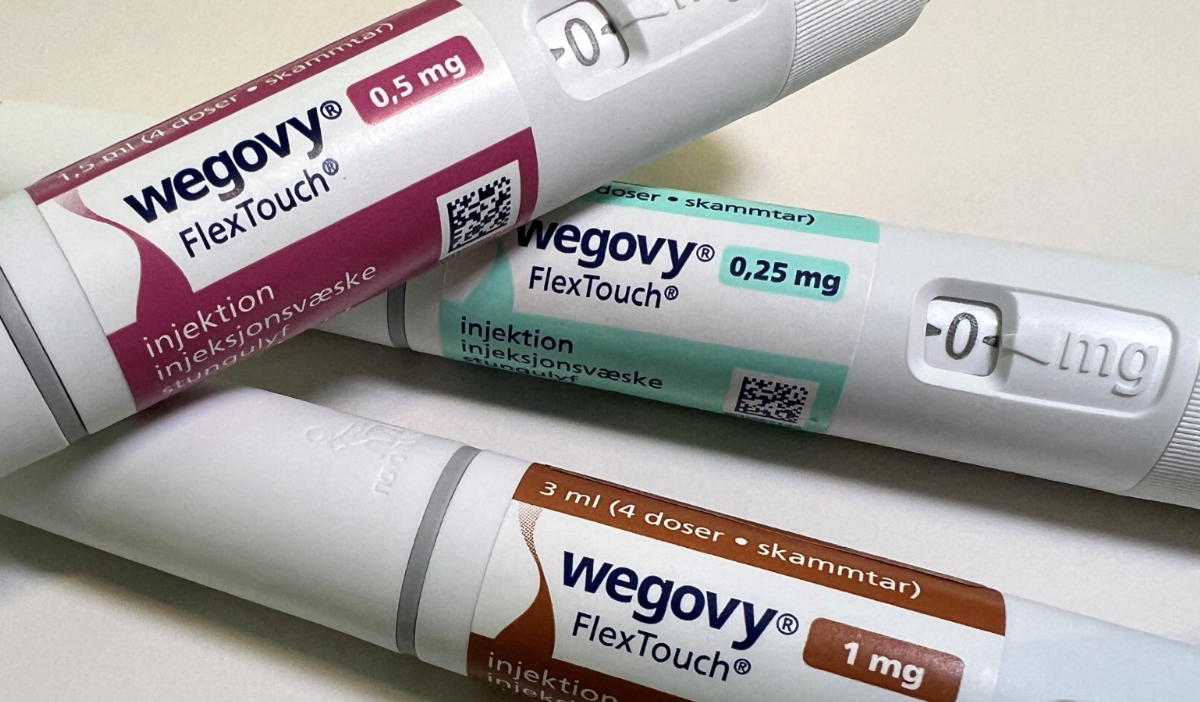
When these receptors are activated by GLP-1 medications, they slow the coordinated muscular contractions (peristalsis) that normally propel food and waste through the intestines
The UK Chief Medical Officers' Physical Activity Guidelines recommend at least 150 minutes of moderate-intensity activity weekly
Taking these together ensures that neither antioxidant goes to waste
Foods that either contain glutathione or provide the building blocks (especially sulphur-rich foods) include: Sulphur vegetables: garlic, onions, broccoli, cauliflower, cabbage Cruciferous greens: spinach, kale, methi Fruits: avocado, oranges, tomatoes Protein sources rich in cysteine: eggs, legumes, dairy How to increase glutathione naturally Beyond food and supplements, these habits support healthy glutathione levels: Prioritise sleep your body repairs and replenishes overnight Exercise regularly moderate activity supports antioxidant systems Eat sulphur-rich foods (see above) Get enough vitamin C, selenium, and B-vitamins cofactors for glutathione Cut alcohol and quit smoking Consider a quality supplement if diet and lifestyle alone aren't enough How to choose a glutathione supplement Not all glutathione products are equal