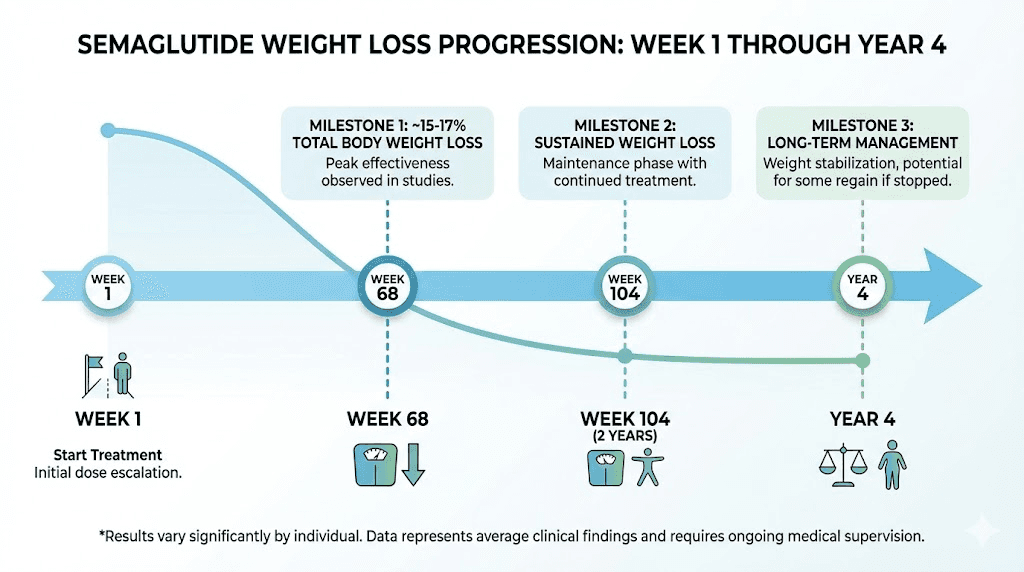
What to Expect Week by Week Weeks 1-2: You may feel similar to how you felt on semaglutide, or notice mild GI symptoms returning
Cupids Bow: A bow-shaped lip where the upper part curves toward the nose and the lower part curls to the chin
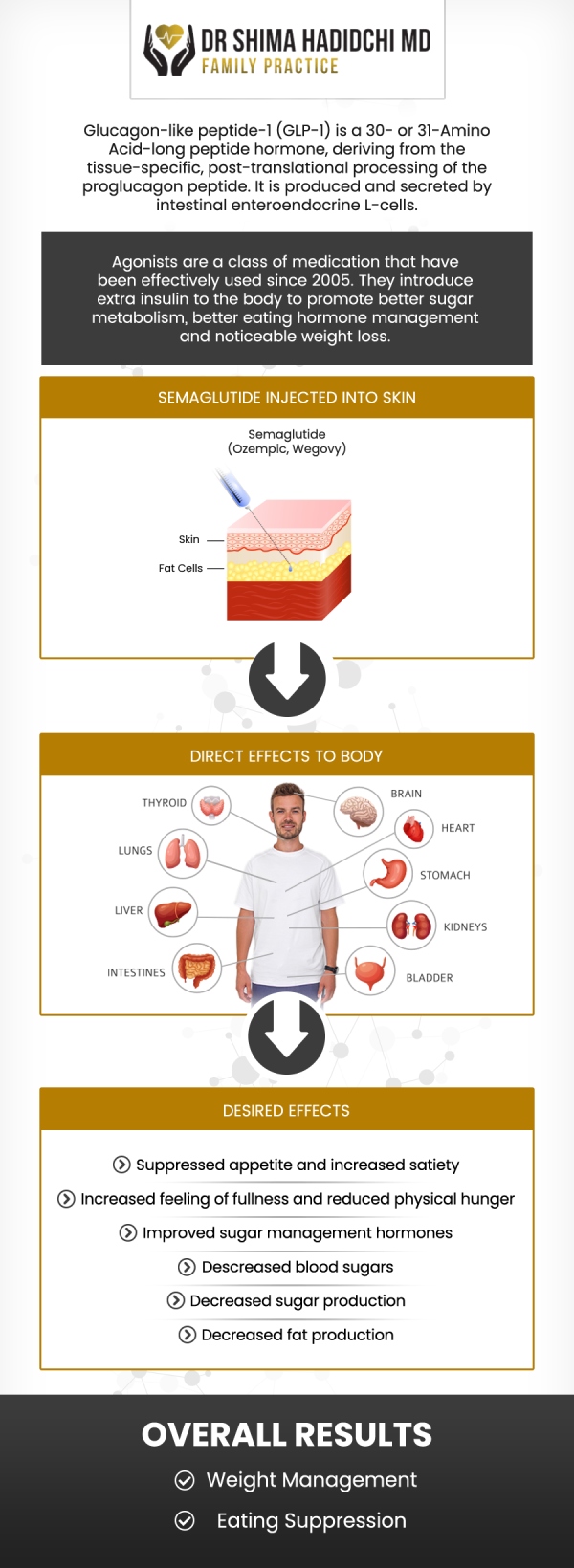
GLP-1 peptide complex formulated to support appetite awareness, metabolic balance and daily wellness as part of a healthy lifestyle routine
Cardiovascular Benefits GLP-1 therapy contributes to heart health by improving key cardiovascular markers such as blood pressure and cholesterol levels, reducing long-term risk factors
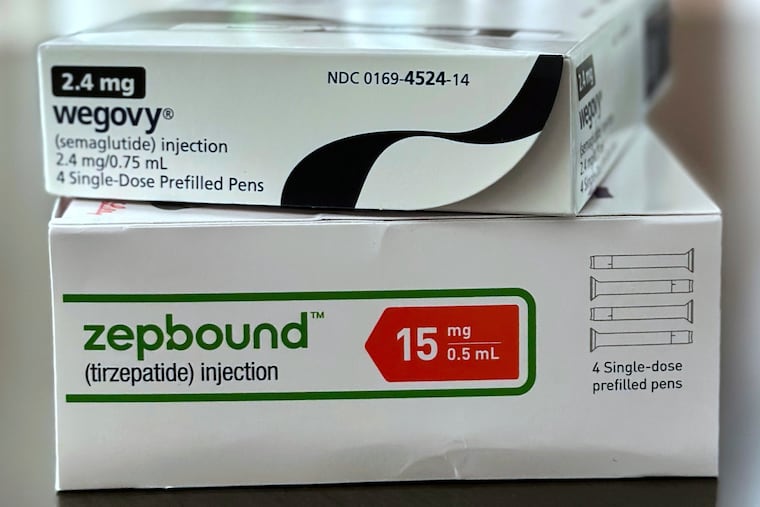
Try the BMI Calculator Table of contents The coverage split: diabetes vs weight loss How UnitedHealthcare structures GLP-1 coverage across plan types The prior authorization requirements you'll face What most articles get wrong about "medical necessity" The employer exclusion problem Brand-name vs compounded: coverage differences How to check your specific plan's coverage The step-therapy protocol UnitedHealthcare requires Out-of-pocket costs when coverage is approved What to do when your claim is denied The Medicare Advantage exception FAQ Sources The coverage split: diabetes vs weight loss UnitedHealthcare treats GLP-1 medications as two separate drug categories depending on the diagnosis code your provider submits: For Type 2 diabetes (ICD-10 code E11.x): Ozempic (semaglutide), Mounjaro (tirzepatide), Trulicity (dulaglutide), and Victoza (liraglutide) are typically Tier 3 or Tier 4 covered medications Prior authorization required but approval rates exceed 75% when BMI and A1C criteria are met Rybelsus (oral semaglutide) covered on most formularies as alternative to injectable options For obesity or weight management (ICD-10 code E66.x): Wegovy (semaglutide) and Zepbound (tirzepatide) are excluded on approximately 60% of employer-sponsored UnitedHealthcare plans When covered, placed on specialty tier (Tier 4 or 5) with 25-40% coinsurance Saxenda (liraglutide 3.0 mg) has slightly higher coverage rates than Wegovy or Zepbound but still excluded on many plans The critical distinction: the FDA-approved indication determines coverage, not the medication itself




:max_bytes(150000):strip_icc()/VWHealth-Which-insurance-types-cover-which-weight-loss-drugs-FINAL-b388815dc64a4cd0a607f5741701db1c.jpg)