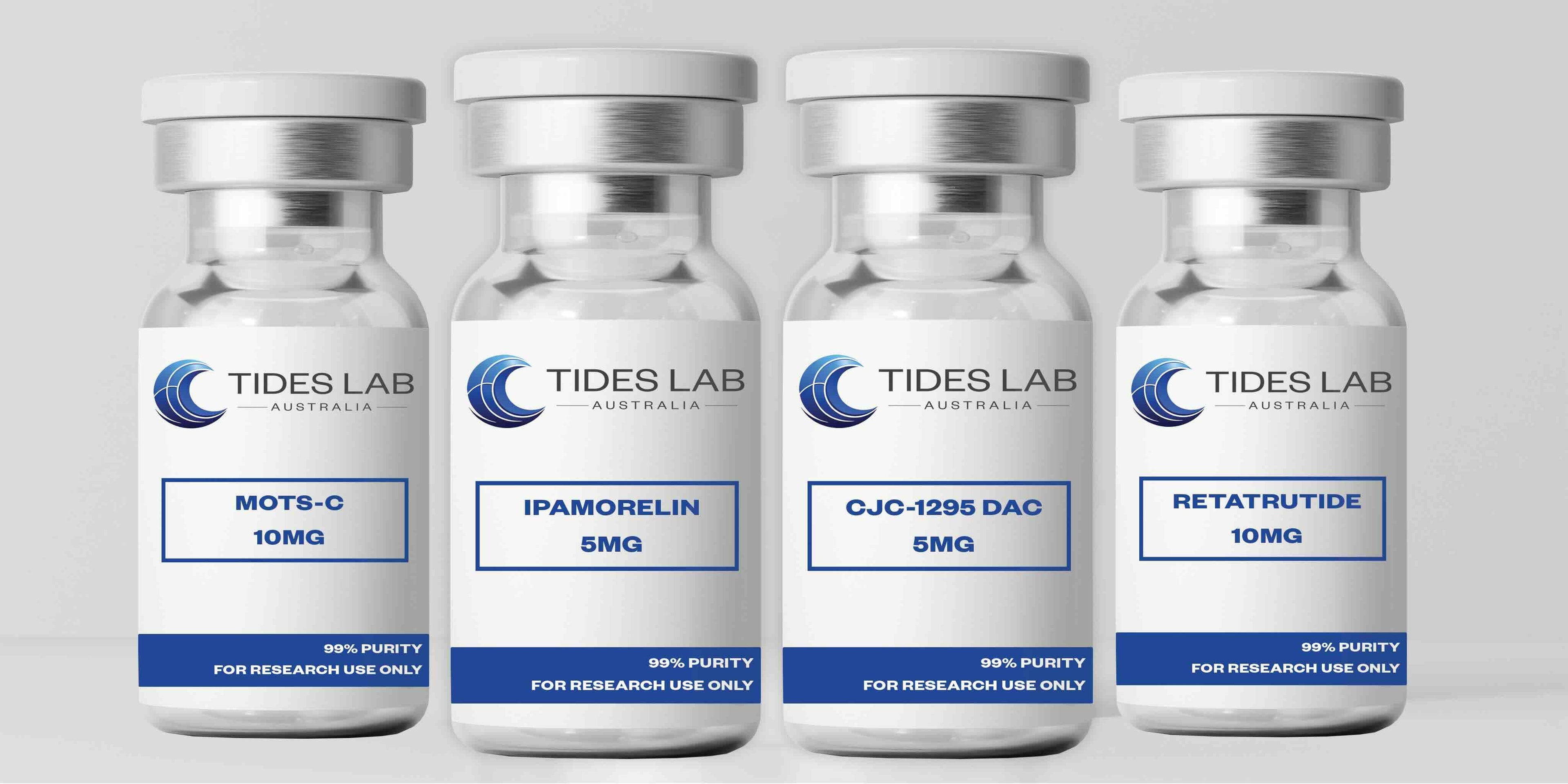
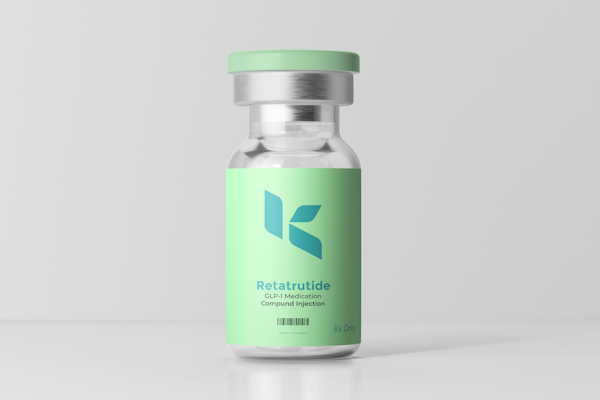
translation to dogs is uncertain Lack of clinical trials: No published randomized controlled trials in dogs Regulatory status: Not approved by FDA or veterinary regulatory agencies Quality control: Variability in peptide quality from research suppliers Optimal protocols: Dose, frequency, duration, and timing relative to injury not established for dogs Outcome measures: Standardized assessment of improvement in dogs lacking Long-term effects: Unknown effects of chronic use in companion animals Complementary Approaches to Canine Orthopedic Care Established evidence-based interventions for canine orthopedic conditions include: Weight management: Critical for reducing joint stress and improving outcomes Physical rehabilitation: Therapeutic exercises, hydrotherapy, and passive range of motion NSAIDs: Carprofen, meloxicam, and other veterinary anti-inflammatories Joint supplements: Glucosamine, chondroitin sulfate, omega-3 fatty acids Regenerative medicine: Platelet-rich plasma (PRP), stem cell therapy Surgical interventions: Various procedures depending on specific condition Assistive devices: Braces, slings, carts for mobility support Acupuncture and laser therapy: Adjunctive pain management modalities The Veterinary Research Landscape Peptide research in veterinary medicine faces unique challenges: Limited funding compared to human medical research Smaller market size for veterinary pharmaceuticals Regulatory pathways less established than for human drugs Ethical considerations for experimental treatments in companion animals Need for breed-specific and size-specific data given canine diversity Despite these challenges, there is growing interest in translating peptide research to veterinary applications, particularly for conditions with limited treatment options

Our expectation is that by making prices transparent and through government coverage of them in Medicare, it will make it increasingly uncomfortable for employers or pharmacy benefit managers who have chosen not to cover this important class of medicines, Dr
muciniphila ) is marketed to strengthen the gut lining and improve overall gut health
This pattern will almost certainly continue
But despite being one of the most commonly used laboratory reagents in peptide research, bacteriostatic water generates a steady stream of questions from Canadian researchers: what is it actually, does it need refrigeration, how long does it last, how does it differ from sterile water, can you use it for multiple peptides, and what happens if you use the wrong kind of water instead