GHK-Cu is fully endogenous, present in human plasma, saliva, and urine, and released at sites of tissue injury through breakdown of SPARC and type I collagen
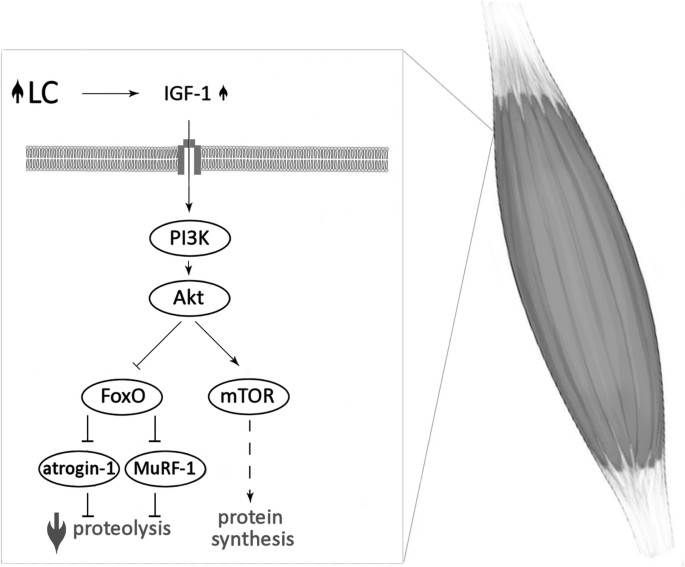
Future translational research should aim to define the carnitine-responsive phenotype using integrated approaches, including serum acylcarnitine profiling, quantitative MRI of muscle fat, and CPT1A genotyping to enable precise patient stratification
It works by mimicking ghrelin, a hormone that stimulates appetite and growth hormone release from the pituitary gland, thereby increasing IGF-1 levels in research subjects
Potent method for the simultaneous determination of glutathione and hydrogen peroxide in mitochondrial compartments of apoptotic cells with microchip electrophoresis-laser induced fluorescence
Persistent shedding of SARS-CoV-2 was detected for months in the feces of patients recovered from COVID-19, regardless of GI symptoms 277