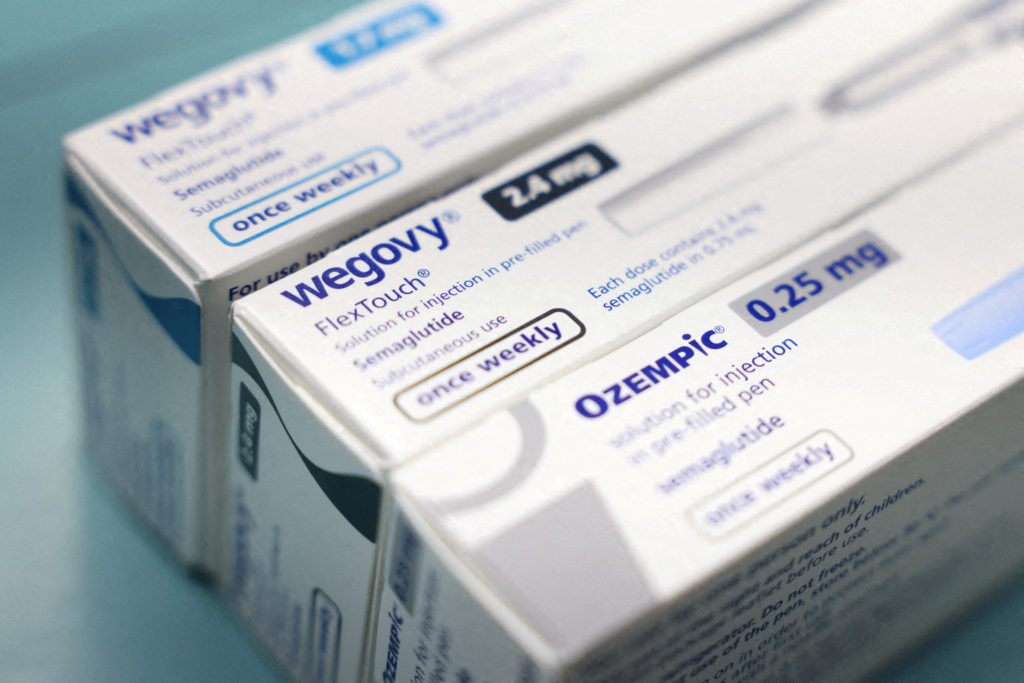
Improved Blood Sugar Levels: These medications help control blood sugar levels, reducing the risk of diabetes-related complications
Consensus-Based Guidance on Preoperative Management of Patients on GLP-1 Receptor Agonists
As for the future, he said, more medications are likely going to be on the horizon
Whether it is adjusting your titration schedule to manage nausea or providing guidance on nutrition, we are here to support you every step of the way
Foods to Avoid Fried, fatty, greasy foods: Hard to digest and can trigger diarrhea Alcohol: Irritates the digestive tract Dairy products: If lactose intolerant Caffeine: Can stimulate bowel movements Spicy foods: Can irritate the GI tract Sugar alcohols: Sorbitol, mannitol, xylitol (in sugar-free products) Better Food Choices BRAT diet: Bananas, Rice, Applesauce, Toast Plain proteins: Baked chicken, turkey, fish Cooked vegetables: Carrots, green beans, potatoes (without skin) Plain grains: White rice, oatmeal, plain pasta Probiotics: Plain yogurt (if tolerated), kefir Management Strategies Prevent Dehydration (Critical!) Dehydration is the most dangerous complication of diarrhea on GLP-1 medications and can cause kidney damage: Drink plenty of fluids: 8-12 glasses of water daily Electrolyte drinks: Pedialyte, Gatorade, or coconut water Clear broths: Chicken or vegetable broth Monitor urine color: Should be pale yellow (dark urine = dehydration) Critical: If you become dehydrated on GLP-1 medications, it can harm your kidneys