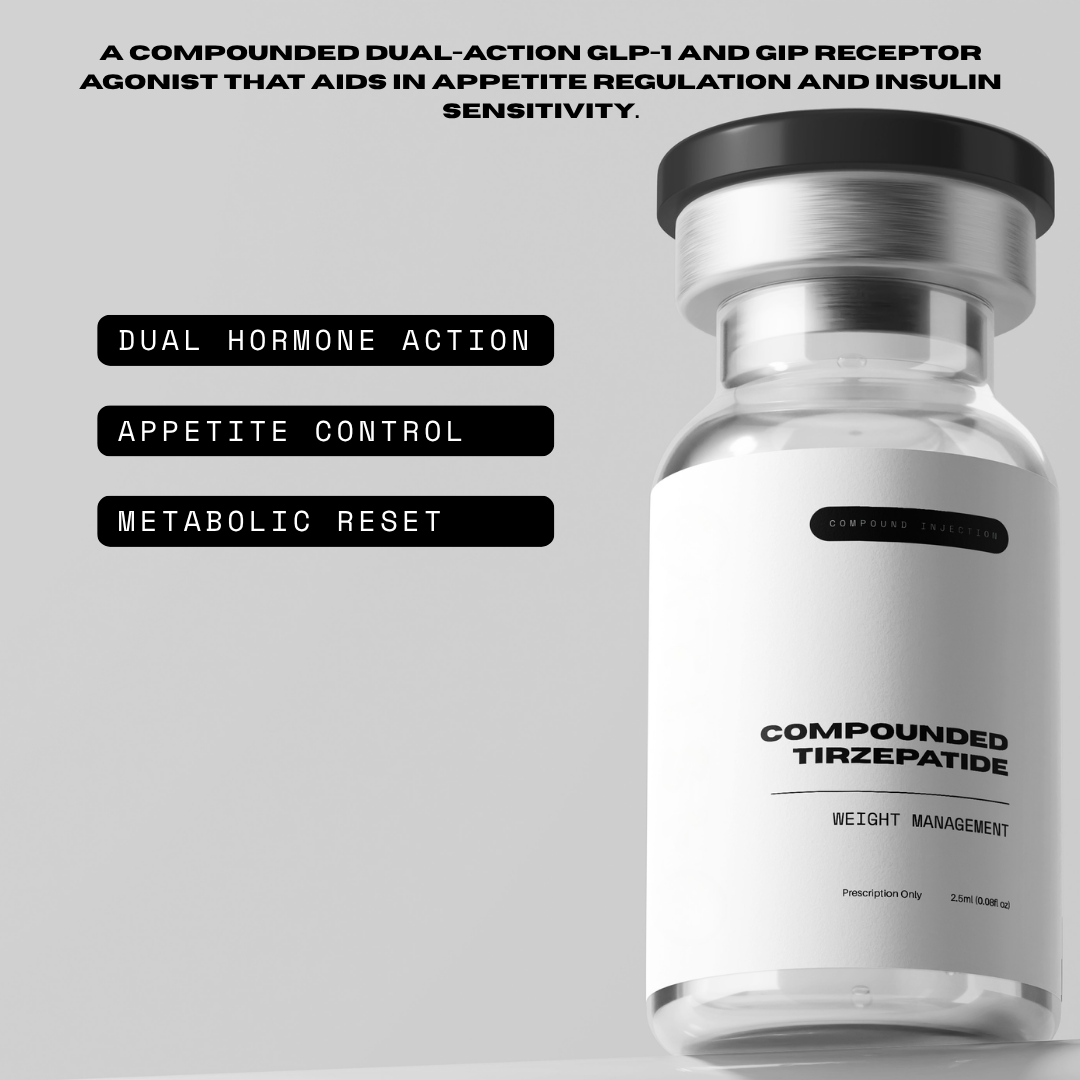
This dual action improves energy use and fat breakdown
pH-sensitive coatings can protect peptides through the stomach and release them in the more neutral environment of the small intestine

References PMC Once-Weekly Semaglutide for Weight Management: A Clinical Review Comprehensive review of Semaglutides mechanism, efficacy, and safety in weight management (clinical data, half-life, GLP-1 receptor activation, weekly dosing) NCBI Bookshelf Semaglutide (StatPearls) Comprehensive pharmacology, clinical uses, dosing strategies, adverse effects, and contraindications for Semaglutide Mayo Clinic Semaglutide (Subcutaneous Route) Clinical guidance on Semaglutide administration, side effects, dosing, and patient information including weekly protocol PMC Semaglutide 2.4 mg for Weight Loss: Clinical Evidence Evidence-based review of Semaglutide 2.4 mg weekly maintenance dosing and clinical outcomes in obesity treatment PubMed Cardiovascular Outcomes with Semaglutide Long-term cardiovascular safety and benefits observed in Semaglutide clinical trials Journal of the Royal Society Interface (2017) Peer-reviewed review of formulation, temperature, agitation, lyophilization, and other factors that affect peptide stability

Glutathione helps in: Inhibiting melanin production: It blocks the enzyme tyrosinase, which is responsible for melanin synthesis, leading to brighter and even-toned skin
Here, we aim to investigate the interactions between the usage of semaglutide (e.g., Ozempic, GLP-1-RA), empagliflozin (e.g., Jardiance, SGLT-2i), and the gut microbiome